May 26th: Psalm 131, 138–139, 143–145

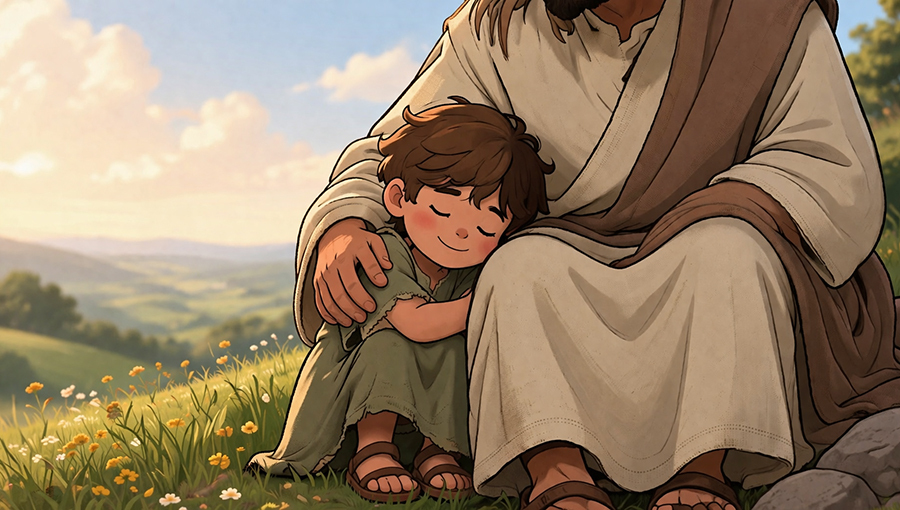
“O Lord, my heart is not lifted up; my eyes are not raised too high…” (131:1).
That first line had me questioning: Is David discouraged? Is he ashamed because of sin? But as we read on, we realize that he’s not low because he’s defeated but rather he is nurturing a posture of humility. He has chosen to relinquish his control and depend completely on the Lord. He recognizes that walking through this life is beyond his abilities. So, instead of striving for control, he chooses to rest in God’s.
“I have calmed and quieted my soul… like a weaned child with its mother” (131:2).
There is power in the one who lives with a posture of surrender to God. It's power received, not gained. A child who grabs and demands is desperate, whereas a child who rests and finds contentment leaning into a parent experiences the protection and safety of that parent’s care. It is this posture that carries throughout the text and shapes our understanding of the passage. As the Psalms unfold, the theme becomes clear: God is great… and I’m not.
Psalm 138 reminds us that God is high—above anything—and yet,
“Though the Lord is high, he regards the lowly…” (v. 6).
That’s the posture; the one who is humble, is the one God draws near to.
Then Psalm 139 expands the picture even more. God knows everything about us. Every thought and every word before we say it. Every moment of my life. Normally, someone having that kind of knowledge could feel oppressive, but here it feels personal and comforting; the creator of heaven and earth knows me. He is near to me. He desires relationship with me. As David explains,
“Such knowledge is too wonderful for me…” (v. 6).
I don’t have to understand where my individuality ends and His sovereignty begins—I just have to trust the One who loves me and desires the best for me.
In the final section David makes the connection to our life's application. We all experience pressure, discomfort, weariness, and even enemies. Those experiences drain us. But in this posture of surrender, David shows that it’s OK to not be OK—he admits his need,
“My soul thirsts for you like a parched land” (v. 6).
That’s what dependence looks like. Going beyond just saying that we trust God, and admitting regularly and publicly that we need Him. Leaning into Him for all the world to see.
And then Psalm 145 lifts everything up into praise.
“They shall speak of the might of your awesome deeds, and I will declare your greatness” (v. 6).
What resonates most with me in this closing chapter is who the “they” are that David is referencing. In verse 4 he wrote,
“One generation shall commend your works to another…”
The “they” are our legacy, those who continue after us because we were here. Discipleship is the ultimate act of praise. This kind of life—humble, dependent, God-centered—is the foundation from where life and legacy begin.
The most significant takeaway for me today comes back to posture. When I live trying to control things and trying to have every detail figured out, I am most restless—striving, grabbing, and demanding. But when I humble myself before the Lord. When I quiet my soul. When I accept that He is God and I am not; that’s when peace reigns. In that posture, everything else starts to fall into place—trust, prayer, praise… even the legacy I’m leaving behind.
Reminds me of my favorite Old Testament verse: Cease striving and know that I am God (Psalm 46:10).
My prayer today is that you are able to rest in Him.
Prayer: Lord, quiet my soul. Help me to live with a humble heart that is calmed in trusting You. You are great, and I am not. Teach me to depend on You, to thirst for You, and to live in a way that points others to Your goodness and greatness. Amen.